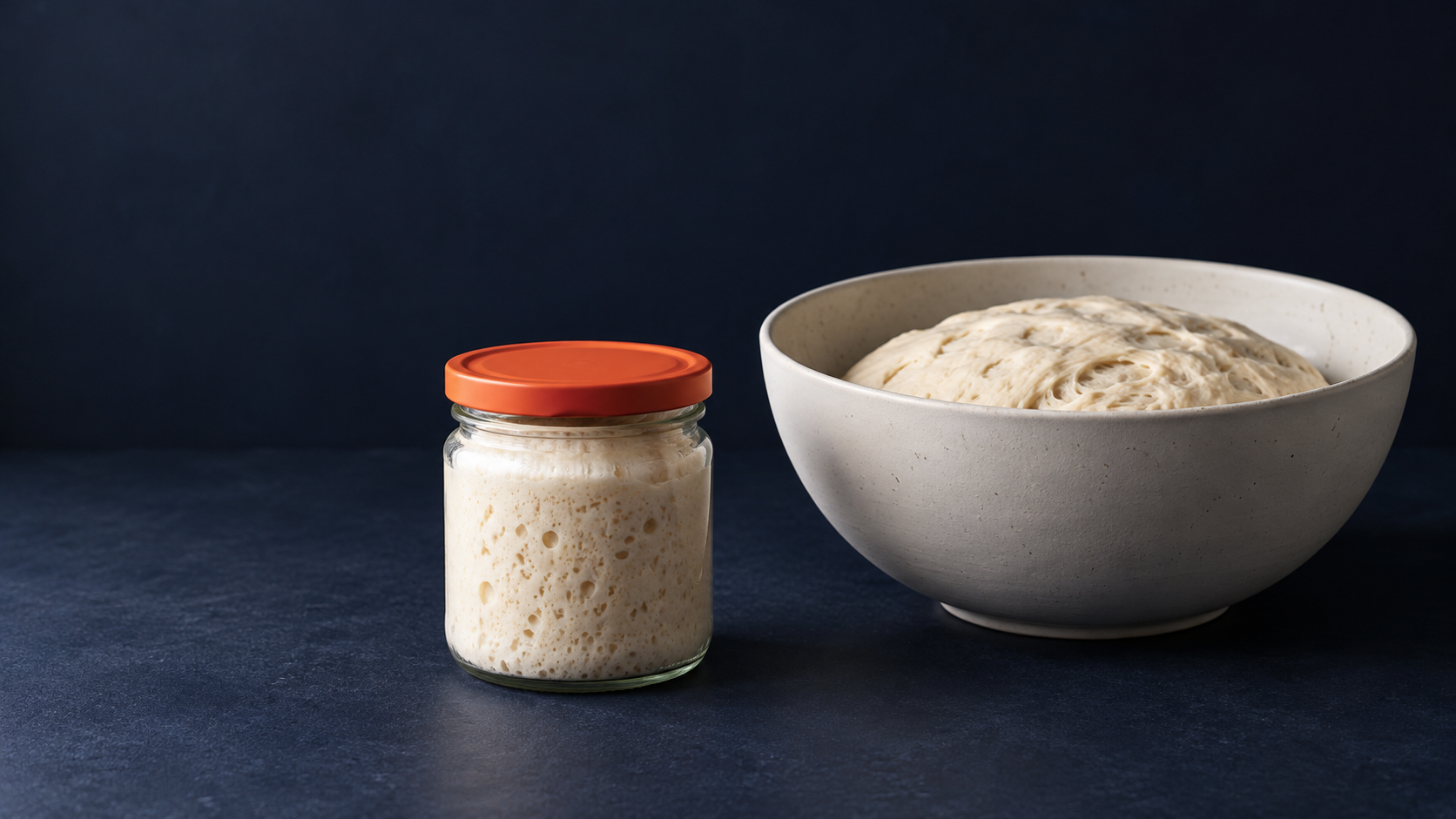
Food Blogger Video Interview Recording Software: A Trust Workflow
Food blogger video interview recording software lets you capture a chef or farmer in 20 minutes and build trust AI answers cannot copy. Here is the workflow.
Read MoreA new research-backed insight every Wednesday on creator monetization, growth, and what actually works.
Food blogger video interview recording software lets you capture a chef or farmer in 20 minutes and build trust AI answers cannot copy. Here is the workflow.

Is a professional email address for food bloggers worth about $7 a month? What a custom-domain inbox changes for brand pitches, contracts and payment.

Food blogger newsletter sponsorship for brands: what to ask for, what a fair price looks like, and which placements keep subscribers from unsubscribing.

The food blog RPM drop in January can cut ad rates 40 to 60%. Here is why it happens, when the cash dip lands, and how to plan for it during Q4.

A food blogger holiday email schedule from Thanksgiving to New Year's Eve: how many emails to send, in what order, and when to make one clear offer.

Food blogger traffic decline is reshaping brand partnerships. Here is what to measure instead of pageviews, and how to avoid underpaying creators.

Google AI Mode recipe carousel traffic is hard to isolate. Here is how to segment Search Console by meal-idea queries and benchmark year over year.

Food blog Q4 ad revenue peaks in December, then RPM falls hard in January. Here is why it happens, plus a 20-minute exercise to plan for the drop.

Planning a food brand holiday influencer campaign in late October? Here is what you can still book, what it costs, and what you should never rush.

Readers distrust anything that looks AI-made. Here is how to build reader trust on a food blog with visible proof a real person tested the recipe.

How to sell an online cooking course as a food blogger: what to charge, how to test demand with a $10 to $20 cook-along, and when Teachable pays off.

Learn how to price a recipe ebook with food blogger benchmarks, the real fee math on Gumroad versus Kit, and a five-email launch plan for a first product.

A seasonal food blog content calendar can be built in one sitting. Here is what to include, how far ahead to plan, and when to post holiday recipes.

How food creators price sponsored posts: what drives a quote, what ad income means for your budget, and how to make an offer creators accept.

Creator content requirements that backfire: scripts, long must-say lists, late rewrites, and vague usage rights, plus what food brands should ask for instead.

How to negotiate with food creators without insulting them: what creators really price, how to split usage rights, and what to trade besides money.

Why creators stop working with brands: five fixable causes, from late payment to silence, plus a ten-partnership audit food brands can run today.

How to work with food creators: a 90-day playbook for brands covering fit, creative input, payment timing, and the feedback loop that earns repeat deals.

How to scale creator partnerships past your first ten creators without losing the trust, communication, and personal touch that made them work.

Lead magnet ideas for food bloggers that grow a real list: mini ebooks, matched recipe bundles, and seasonal freebies, plus one to draft today.

Traffic stuck? Learn why it pays to update old recipe posts before writing new ones, which posts to refresh first, and what to do about publish dates.
A practical food blogger burnout recovery plan: what to pause, what keeps earning while you rest, and why a planned break costs less traffic than you fear.

Self-worth tied to follower count or pageviews is a measurement problem. Here is how food bloggers untangle who they are from what the dashboard says.
Food blogger work-life balance is hard when your office is your kitchen. Use hard and soft boundaries, a kitchen closing time, and the 2025 burnout data.

Food blog newsletter sponsorship rates, explained with real 2026 CPM benchmarks: how to price a sponsored slot from your opens, not your subscriber count.

Most food bloggers have a list and few earn from it. Learn how to monetize a food blog email list with a weekly send, tracked links, and one offer.

Top food bloggers diversify food blog traffic before Google forces them to. Pinch of Yum's 2024 vs 2026 numbers show which channels are growing and why.

Learn how to build a food creator content approval process: how many revision rounds to include, feedback windows, and what to approve before filming.

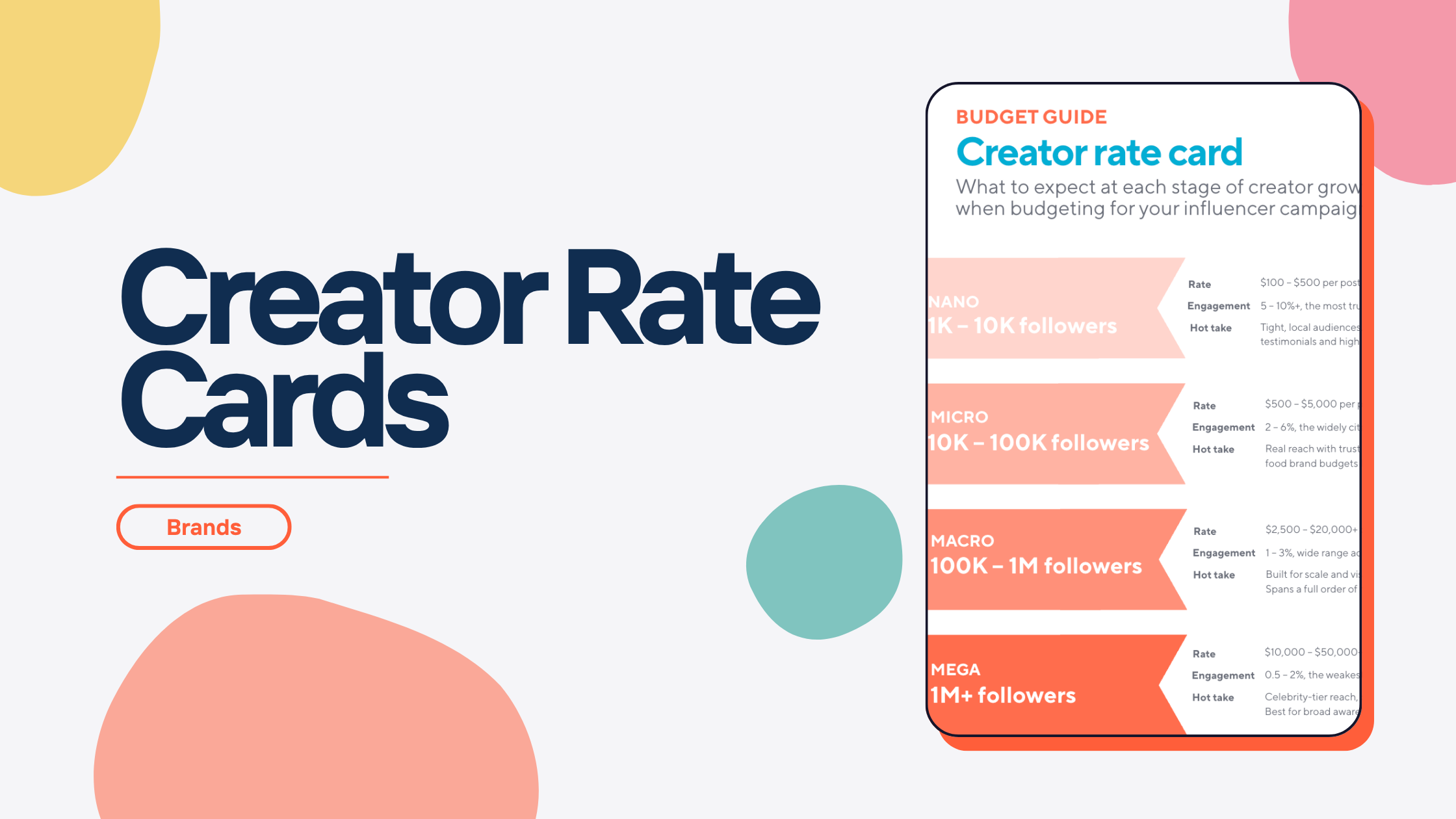
A practical guide to how to read a creator rate card: what's typically included, what costs extra (usage rights, exclusivity), and how to compare quotes.

Learn how to brief food creators by locking what protects your brand and leaving the recipe, voice, and story open. The framework, plus the data behind it.

A practical guide to adjusting briefs, rates, contracts, and communication for food creators at different follower tiers, from nano to macro.

Micro influencer rates for food creators run $100 to $2,000 per post in 2026. Here is why they often beat big names on cost per engaged follower.

Impressions are a weak signal. How to measure creator partnership ROI with tracked sales, email signups, saves, affiliate conversions, and content reuse.

Food creator platform preferences in 2026: why 66% of creators are expanding beyond one platform, and what that means for your next brand brief.

Instagram is the storefront, not the store. The food creator platforms 2026 data points to blogs, email, Pinterest, and YouTube. Here is where creators are.

Most food bloggers skip the welcome email sequence for food bloggers that gets double the opens of a newsletter. Here is the fix, with benchmarks.

How many email subscribers does a food blog need? Published open, click, and conversion benchmarks, a worked revenue model, and a recipe-site growth plan.

How to monetize a food blog without sponsorships: affiliate links, digital products, paid newsletters, display ads, and YouTube, with 2026 numbers for each.

Learn how to invoice a brand as a food blogger, from PO numbers and payment terms to late fees and a four-step routine that gets you paid on time.

Food creator sponsorship rates for 2026 by platform and follower tier, plus how usage rights, exclusivity, and recipe work should change the price you quote.

How much do food creators earn? Real 2025 and 2026 income benchmarks by follower tier, plus what 50K vs 500K monthly pageviews means for food bloggers.

Why food creators burn out right when the numbers look great: what 2025 and 2026 surveys show, plus a one-hour fix to protect your business.

Food creator sponsorship rates in 2026 by tier and platform, plus a method for building a benchmark table and auditing whether your brand overpays or lowballs.

Learn how to sell meal plans with MailerLite: build a one-time product, a landing page, a 3-email launch and sales tracking without a separate store.

A re-engagement email sequence for food bloggers: who counts as cold, the three emails to send, and when to remove subscribers who never click.

MailerLite vs Kit for food bloggers: compare real costs at 1,000, 5,000 and 10,000 subscribers, RSS, ebook sales and deliverability before you switch.

Hit a creator growth plateau? Learn why food blog traffic, engagement, email, and revenue stall in 2026, and the specific evidence-backed move for each one.

A food blogger tool stack organized by job, with 2026 vendor pricing for email, SEO, scheduling, affiliates, payments, and automation, lean or scaled.

A food blogger revenue breakdown built from 2025 and 2026 creator surveys and official ad network pages: ads, sponsorships, affiliates, products, memberships.

A creator retention strategy turns one-off creator deals into retainers, ambassador programs, and seasonal cycles that get cheaper and stronger every year.

A creator sponsorship contract should protect your brand without killing creator motivation. The seven clauses to get right, and the versions that backfire.

A food creator's rate card is a starting point, not a ceiling. Here's when to pay food creators more, and exactly how much more to offer in 2026.

Your creator briefs are too long and too vague. Here is the one-page creator brief template, eight sections with word limits, that food creators follow.

Why creators turn down brand deals: lowball offers, slow payment, rigid briefs, poor fit, and rights grabs. Each is fixable, and fixing them wins loyalty.

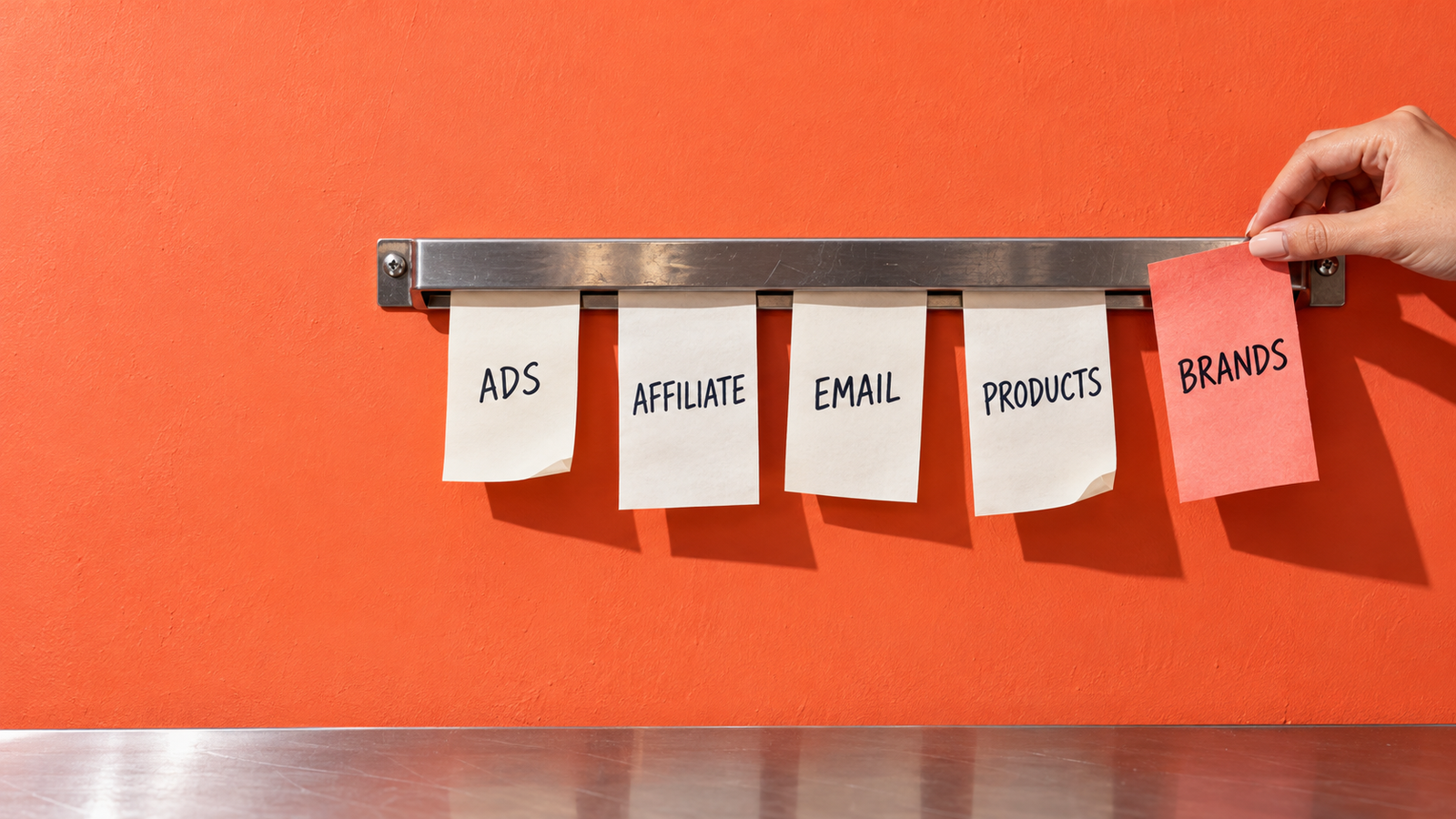
The food creators view of brands is a business owner's view: one client among ads, affiliate, and email. Here's what that means for your partnerships.